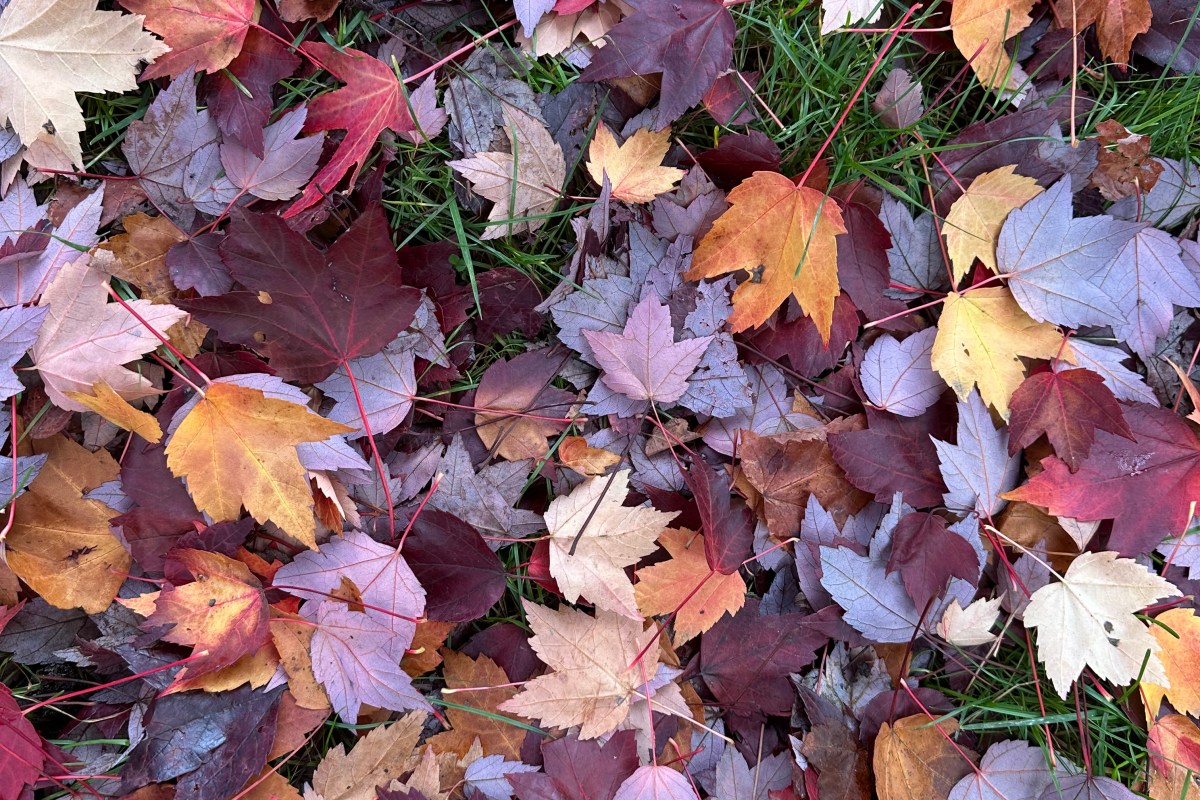
The past week’s hot and dry weather stalled fall foliage progress across the region. However, a welcome change is on the horizon. The upcoming forecast brings cooler, wetter conditions, which should accelerate the process and bring more vibrant colors to the city.
The unseasonably warm temperatures of late September prevented trees from beginning their seasonal transformation. The process of producing vibrant reds and oranges requires cool, crisp nights to slow down the breakdown of chlorophyll and trap sugars in the leaves. The recent heat kept this from happening.
Fortunately, the shift to a cooler and wetter pattern will provide the perfect catalyst. With lower temperatures and much-needed moisture, trees will begin to shed their green and reveal the brilliant colors hidden within. We expect to see a rapid change in the coming days, with the full show beginning to emerge.
Read more for what to expect.
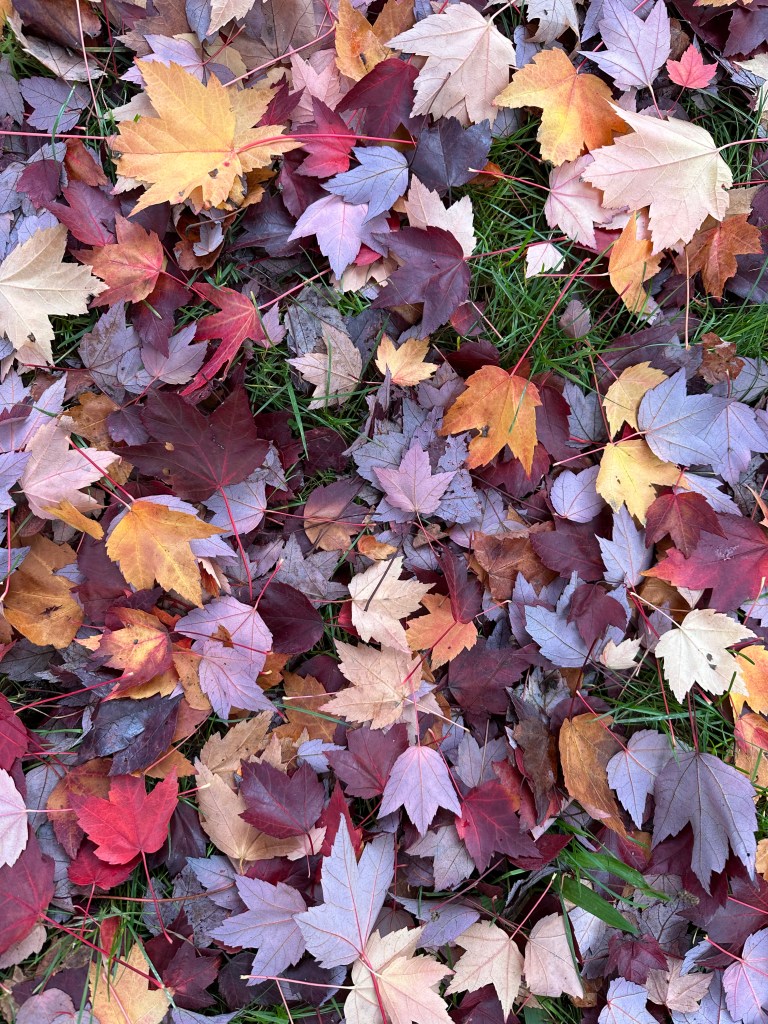
Foliage Stage in Vancouver
The recent hot and dry weather has kept the city’s foliage mostly green, but a much-anticipated shift to a cooler and wetter forecast is about to change that. These ideal conditions will trigger a rapid acceleration of the season’s colors.
Here’s what to expect in Vancouver’s trees over the next week:
- Japanese Maples: Expect to see these trees burst with brilliant crimson and orange. While some have been showing early hints of color, the cooler weather will trigger a rapid and widespread change.
- Vine Maples: A Vancouver native, these trees will begin to light up the city’s parks and trails with their iconic red and fiery orange hues. The upcoming rain will help deepen their color.
- Dogwoods: The deep burgundy and red colors of dogwood leaves will become far more pronounced. They are already some of the earliest to change, and the new weather will push them closer to their peak.
- Garry Oaks: While they turn later in the season, the cooler temperatures will set the stage for their eventual golden-yellow transformation. Look for the first signs of change on these trees.
- Bigleaf Maple: A hallmark of the Pacific Northwest, these massive trees with their distinctive large leaves will begin their transition to a brilliant golden yellow. The upcoming cooler weather will accelerate this process.
- Cherry Trees: Although famous for their spring blossoms, Vancouver’s cherry trees also put on a beautiful fall show. Their leaves will begin to turn a mix of rich yellows, oranges, and reddish-browns. The cooler weather will speed up this transition.


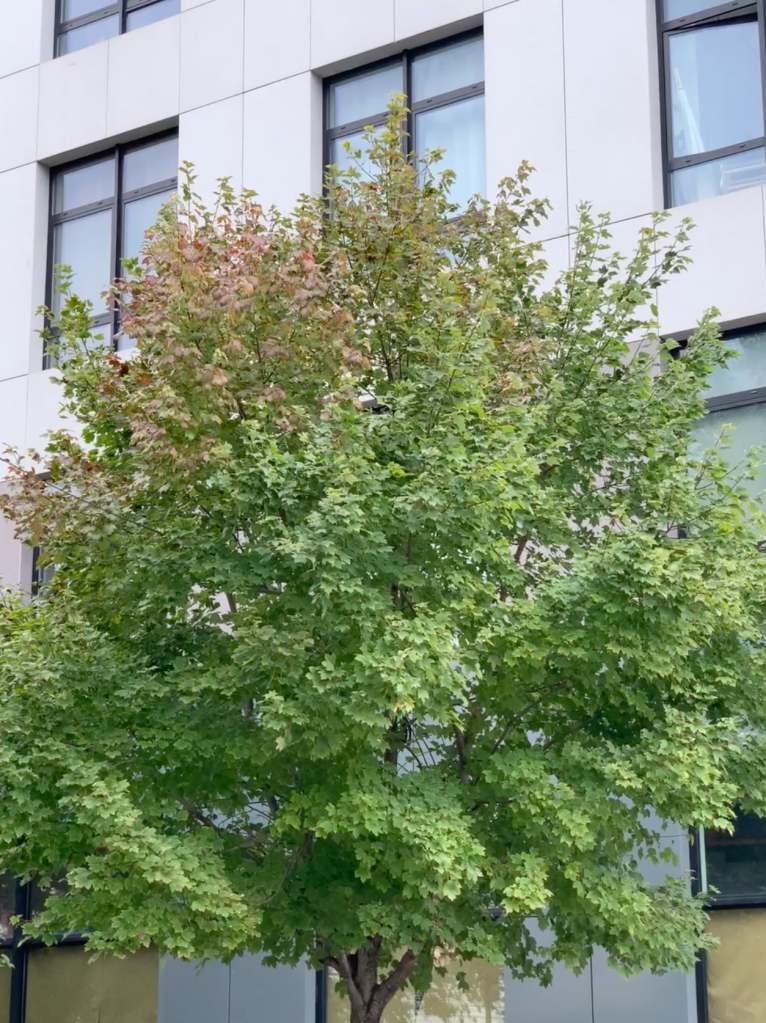
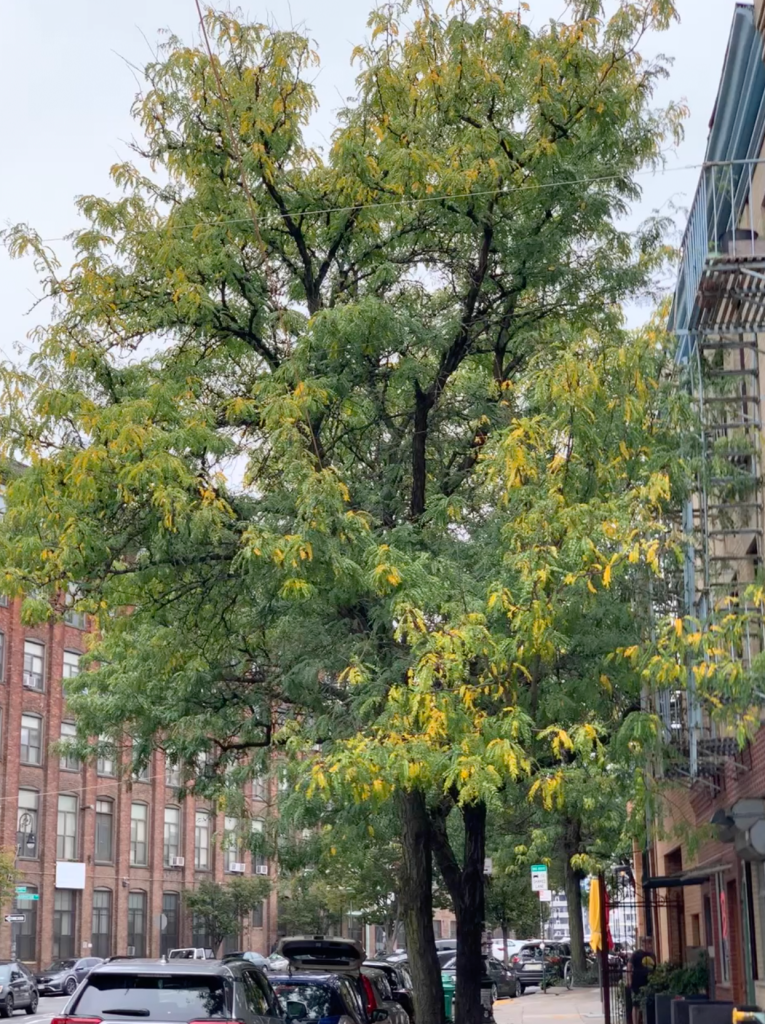

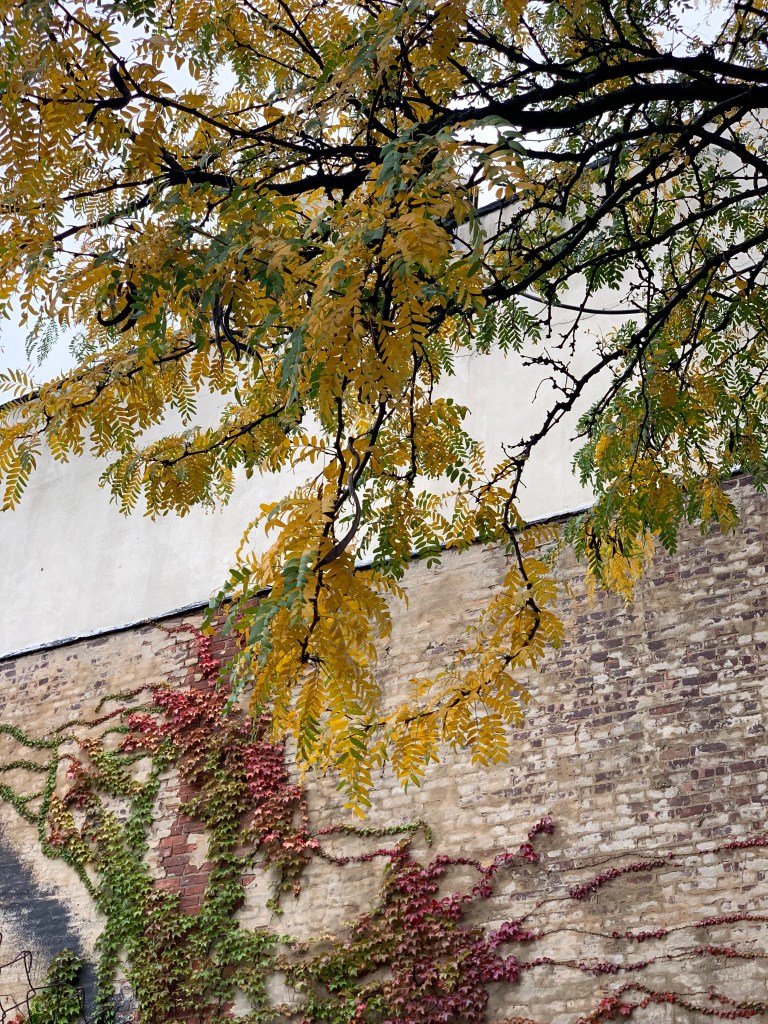
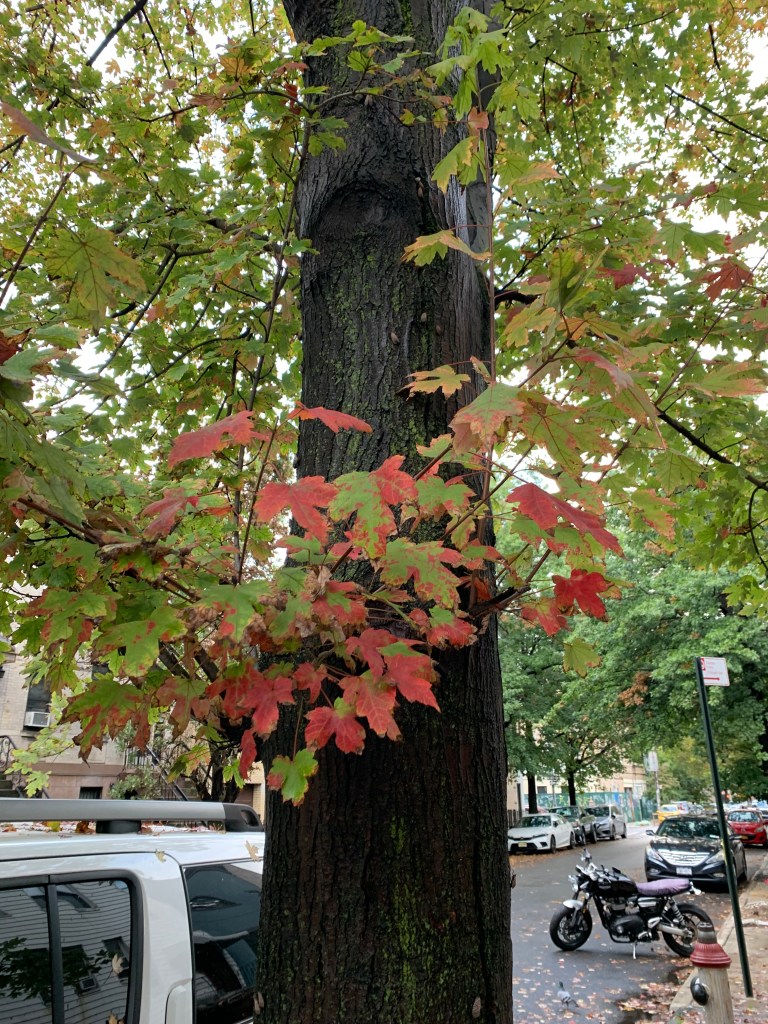
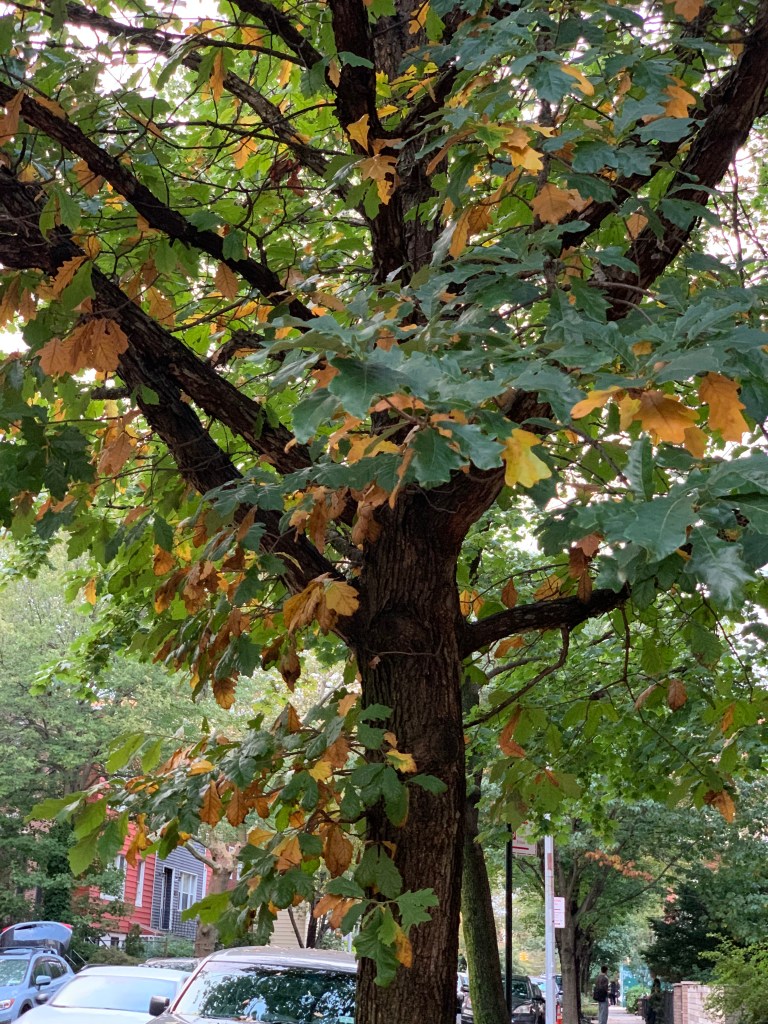
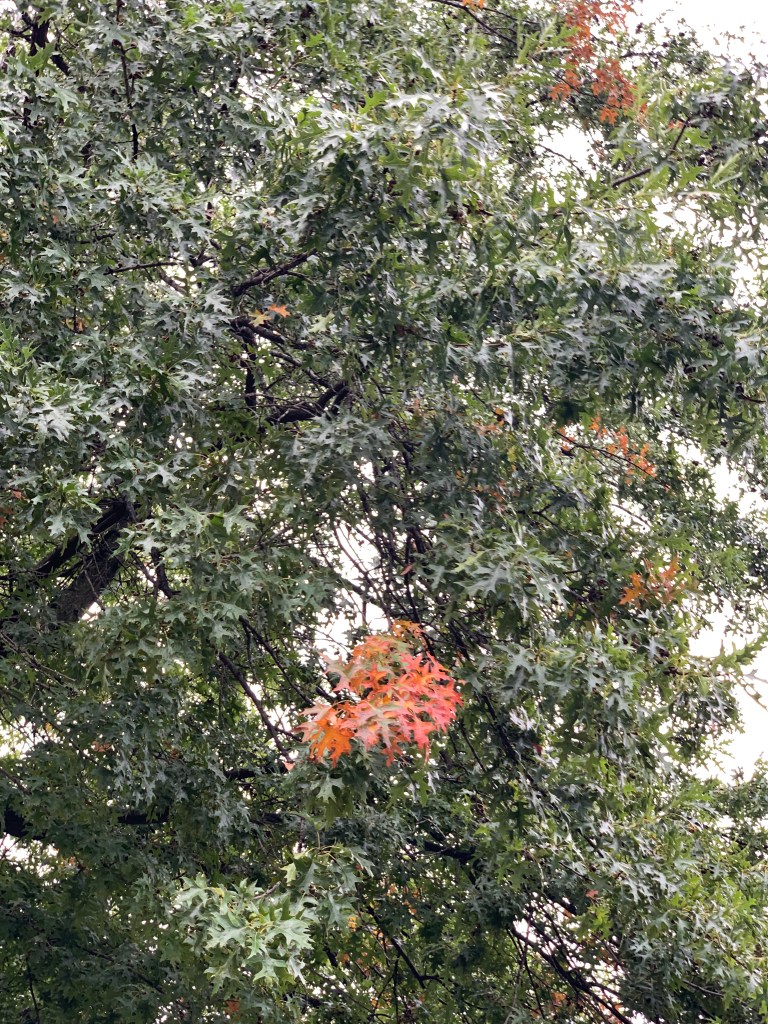
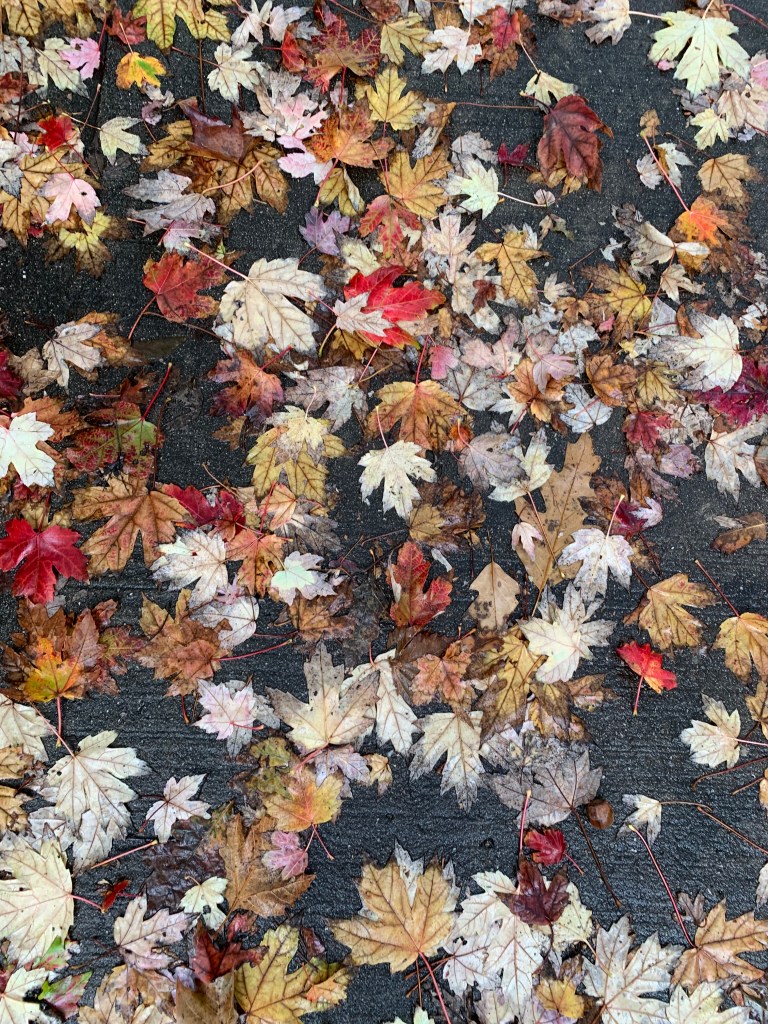

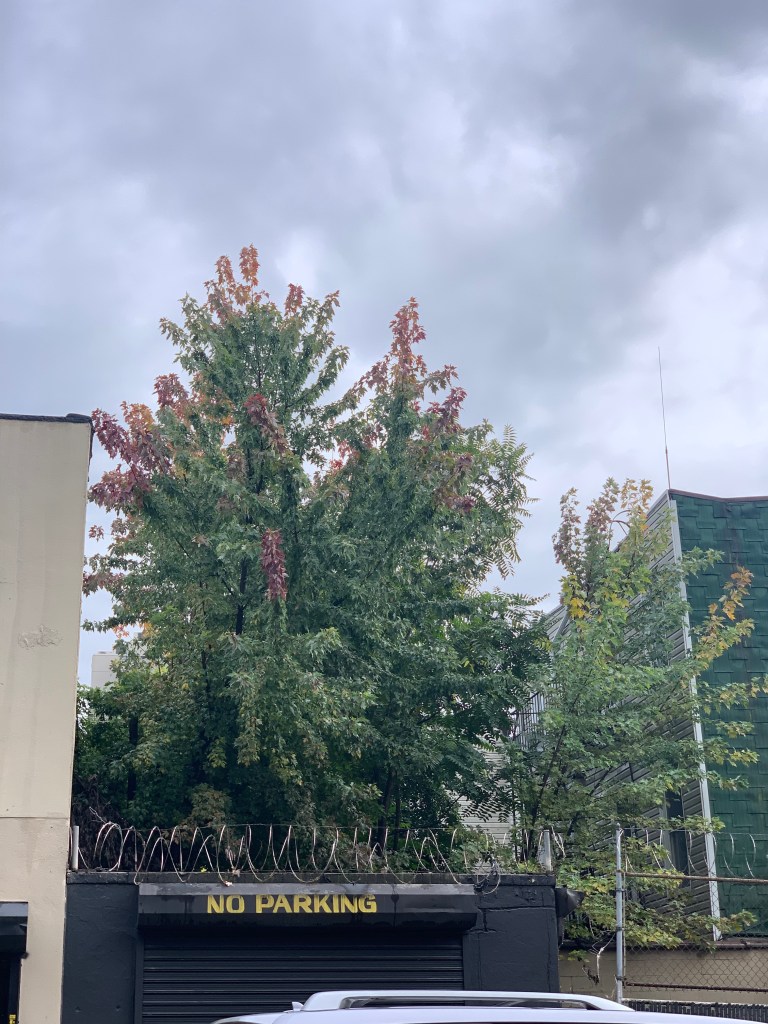
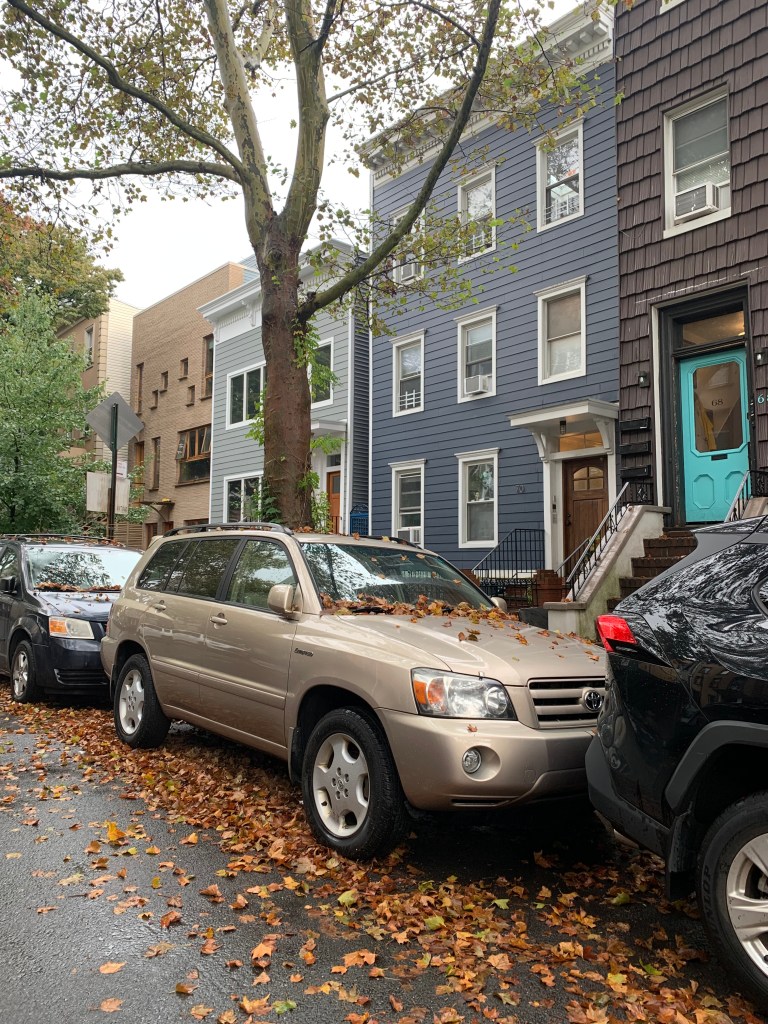
Vancouver’s Maple Trees
Maples are the heart of Vancouver’s fall foliage, painting the city in vibrant yellows, oranges, and reds. But with so many types, it can be tough to tell them apart. Knowing which is which can make your next walk even more rewarding.
Here’s a simple guide to identifying some of Vancouver’s most common maples.

Bigleaf Maple (Acer macrophyllum)
- Key Feature: The largest leaves of any maple in the world. They are typically the size of a dinner plate.
- Appearance: Leaves have 5 lobes with deep, rounded sinuses between them. The tree is native to the Pacific Northwest and grows to a massive size.
- Fall Color: A striking, uniform golden yellow.
Vine Maple (Acer circinatum)
- Key Feature: Small, delicate leaves and a multi-stemmed, shrub-like growth habit.
- Appearance: The leaves have 7 to 9 lobes and resemble a small fan. The tree often grows in dense clumps or twists around other trees, giving it a “vine-like” appearance.
- Fall Color: Fiery reds and oranges.
Japanese Maple (Acer palmatum)
- Key Feature: The leaves are deeply cut with 5 to 9 finely toothed lobes, creating a star-like shape.
- Appearance: These are popular ornamental trees, often small and shrubby with a delicate, graceful form.
- Fall Color: Known for their dramatic, brilliant crimson, burgundy, or deep red.
Norway Maple (Acer platanoides)
- Key Feature: A milky, white sap drips from the stem when a leaf is pulled from a twig. The leaves are also wider than they are long.
- Appearance: A common street tree. The leaves have 5 to 7 pointed lobes.
- Fall Color: Most varieties turn a clear, bright yellow.
Red Maple (Acer rubrum)
- Key Feature: The leaves are typically 3-lobed (sometimes 5-lobed) with serrated edges and a reddish stem.
- Appearance: A medium-sized tree with a rounded crown.
- Fall Color: Known for their brilliant scarlet and orange-red foliage.
The next time you’re out, take a closer look and see if you can spot the difference!

Foliage in Canada
Deciding where and especially where to go and watch the foliage in peak color can be a struggle.
However, there are many sources that can help you make a better decision.
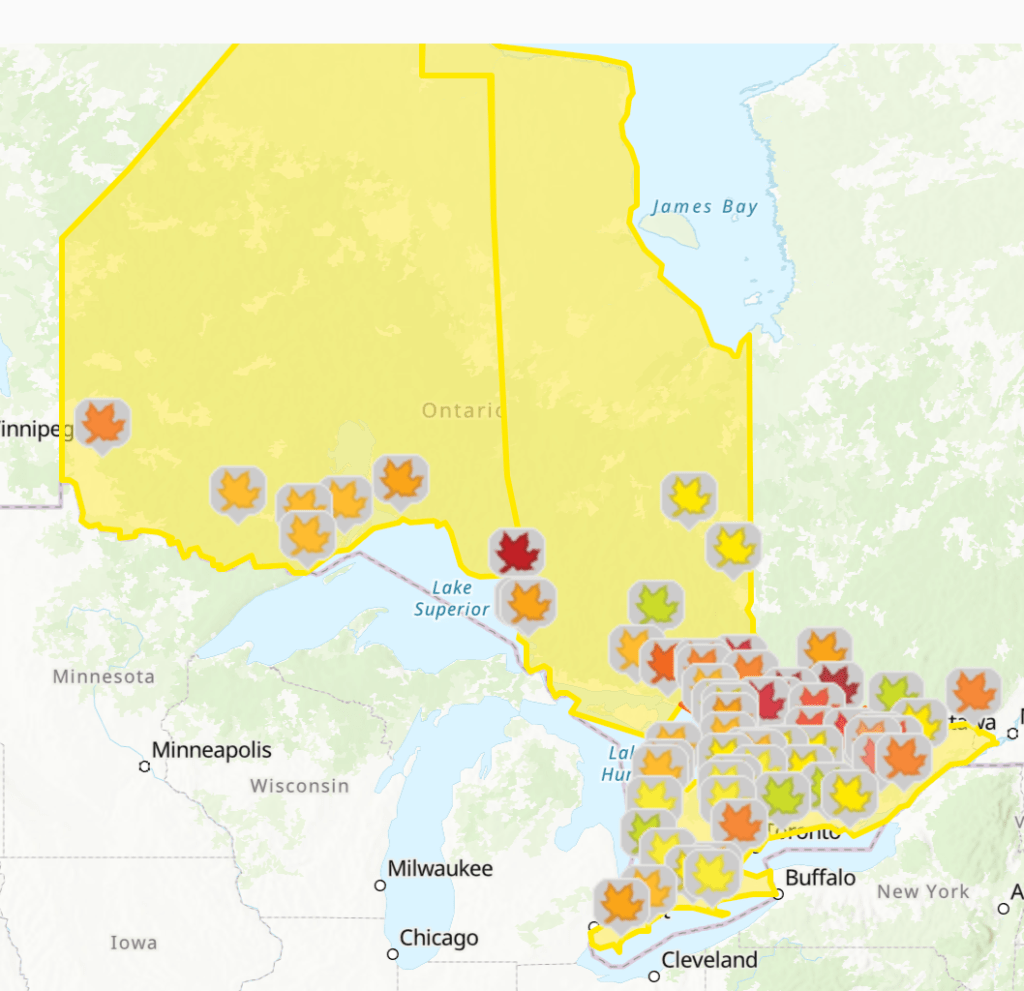
- Ontario Parks – This is the official Ontario Parks fall color tracker. It provides real-time reports on leaf color changes and peak viewing times across all provincial parks in Ontario. The site includes dominant colors, leaf fall percentages, and recommended viewing spots for each park. It’s a go-to resource for “leaf peepers” in the region..
- Almanac – The Almanac’s Fall Foliage Map is an interactive tool that tracks and predicts peak fall colors across the United States. It provides estimated peak dates and offers tips for viewing the best autumn displays.
- Quebec – Bonjour Québec’s website provides a real-time, color-coded map to track the progression of fall foliage across the province. It is an excellent resource for planning a trip to see the autumn colors in Quebec.
- New Brunswick – The Tourism New Brunswick website offers a fall foliage guide, suggesting scenic road trips and highlighting that peak colors occur in late September and early October, with a variation between the northern and southern regions.


Visit our Instagram and watch our stories to get more live updates.
 Vancouver Season Watch